Automating appointment management: a website with a calendar + a WhatsApp agent

Updated on 25 September 2026 with original studies and industry sources.
While you see a patient, finish a haircut or carry out a treatment, calls and booking messages keep arriving. If nobody answers, a potential appointment is left hanging. If a client forgets to turn up, the slot goes to waste. And if every change requires a manual conversation, managing the diary takes up a sizeable part of the working day.
A website with a connected calendar and a WhatsApp agent lets clients book, confirm, cancel and reschedule without waiting for reception to be free. It also makes it possible to follow up missed calls through WhatsApp and continue the booking process.
No-shows: what recent studies tell us
A no-show is different from a cancellation made in advance: the latter lets you offer the slot to someone else. That is why reminders work best as part of a process that makes confirming, changing or cancelling an appointment straightforward.
Reminders: more appointments attended. A 2024 randomised trial involving 20,072 regular hypertension patients recorded attendance of 78.2% with three SMS reminders versus 74.8% without reminders: 3.4 percentage points higher attendance. Original study, Journal of Human Hypertension.
Online booking: fewer no-shows in an ophthalmology practice. A 2025 observational study found a no-show rate of 1.8% for online bookings versus 5.9% for bookings made through other channels in the practice studied. This is an association observed in that practice, not a guarantee of the same outcome in every business. Original study, Frontiers in Digital Health.
A reference meta-analysis. Robotham et al. (King’s College London, BMJ Open, 2016) included 21 studies in the primary analysis, nine from Europe. Notifications reduced the relative risk of no-shows by 25% (RR 0.75; pooled rates: 21% without notifications and 15% with them). Multiple reminders improved attendance more than one; findings were similar after considering quality, region and year. Original meta-analysis.
A 2026 review. A meta-analysis of 10 hospital outpatient trials found an 11% relative increase in attendance. The benefit was statistically significant overall and for telephone reminders; SMS showed a favourable trend, but its confidence interval included no effect. Original review, JHMHP.
WhatsApp specifically. An August 2026 study in Buenos Aires analysed 475,214 appointments. Starting from a 34.6% no-show rate without reminders:
A single WhatsApp message around 24 hours beforehand reduced no-shows by 24% in relative terms (8.2 percentage points). medRxiv.
The practical lesson is clear: booking is only the beginning. A good system makes it easy to give notice, keeps the diary up to date and lets you offer cancelled slots to a waiting list. Research can inform the design; the results for each clinic, beauty centre or hair salon must be checked against its own appointments.
How much time can automated appointment management save?
If you are self-employed, appointment management usually takes up your own time: calls between clients, messages after work and rescheduling while trying to do your job. Automating these tasks can give you hours back without needing reception staff.
A concrete example from Spain: 23 hours a month. Clínica Santamaría, a physiotherapy, psychology and podiatry centre in Móstoles, reports 23 reception hours saved per month after introducing online booking. Its manager explains that patients became accustomed to booking online. Clínica Santamaría case published by Doctoralia.
Hair salons and beauty centres. In its August 2026 salon guide, Treatwell Spain explains how bookings enter the diary directly and clients can change or cancel them themselves. This removes transcription and coordination calls, including outside business hours. Online booking guide for salons, Treatwell Spain.
The Móstoles figure relates to that business and comes from a case published by its provider. To estimate how much time you could regain, count your weekly appointment management tasks and the minutes you spend on each. That is where the following example becomes useful.
For a hair salon, these tasks may involve changes between cuts, colouring and treatments; for a beauty centre, room and practitioner availability; for a clinic, bookings and confirmations. The calendar needs to account for actual service durations, breaks and available resources. Saving a phone call achieves little if the appointment is booked incorrectly.

Foto de Leeloo The First en Pexels
How it works: website, calendar and WhatsApp connected
The client asks a question or opens the calendar. They can use the website or WhatsApp at any time, without waiting for the business to open.
The agent responds within seconds. It identifies the service, checks availability and suggests options. A shared diary avoids working with outdated schedules.
The booking is confirmed. The system validates the slot, records the appointment and communicates the date, time and relevant instructions.
Reminders make it easy to act. Clients can confirm, cancel or reschedule in the conversation. Notifications are adapted to the service and their preferences.
The team handles exceptions. Special requests and clinical questions are passed to a person with the context already collected.
24/365 service: even when the business is closed
The agent provides service 24 hours a day, 365 days a year: at night, on Sundays and during holidays. Clients can request an appointment when they remember, and the professional starts the working day with an updated diary.
The objective is for every client to receive a first response within seconds on the automated channels, even when several enquiries arrive together. That initial response is different from resolving every request within seconds: a booking depends on the client's replies and available slots; an exception may need your team. Response speed must be checked in operation and depends on connectivity and the integrated services.
Missed calls receive a response too
A missed call can become a booking. When you cannot pick up the phone, an automatic WhatsApp message to the caller can help them book, answer common questions or provide business information such as opening hours, services and location.
If they need personal attention, the agent passes the conversation to a person with the context already collected. You can keep attending to the client in front of you while the new enquiry receives a response.
WhatsApp follow-up takes place with the client’s permission to receive messages through that channel. WhatsApp Business policy.

Foto de Cedric Fauntleroy en Pexels
Are clients happier?
Booking without waiting can improve the experience, but not everyone wants to use the same channel. Research helps explain the difference:
Fewer no-shows, the same level of satisfaction. A 2018 trial involving 54,066 patients found fewer no-shows with two automated reminders than with one, without reducing satisfaction with reminders or the visit. Automating these reminders is compatible with good service: each notification does not need to be handled manually. Original trial, AJMC.
Hair salons and spas, 2025. Zenoti reports that 81% of regular clients sometimes need to manage appointments outside business hours and 73% would be more loyal if booking and communication were easier. Results published by Zenoti.
The useful lesson for a business is to offer quick replies, real availability and an easy way to reach a person. If clients have to repeat everything, cannot find their service or become trapped in an automated conversation, the experience gets worse even if the first reply is immediate.
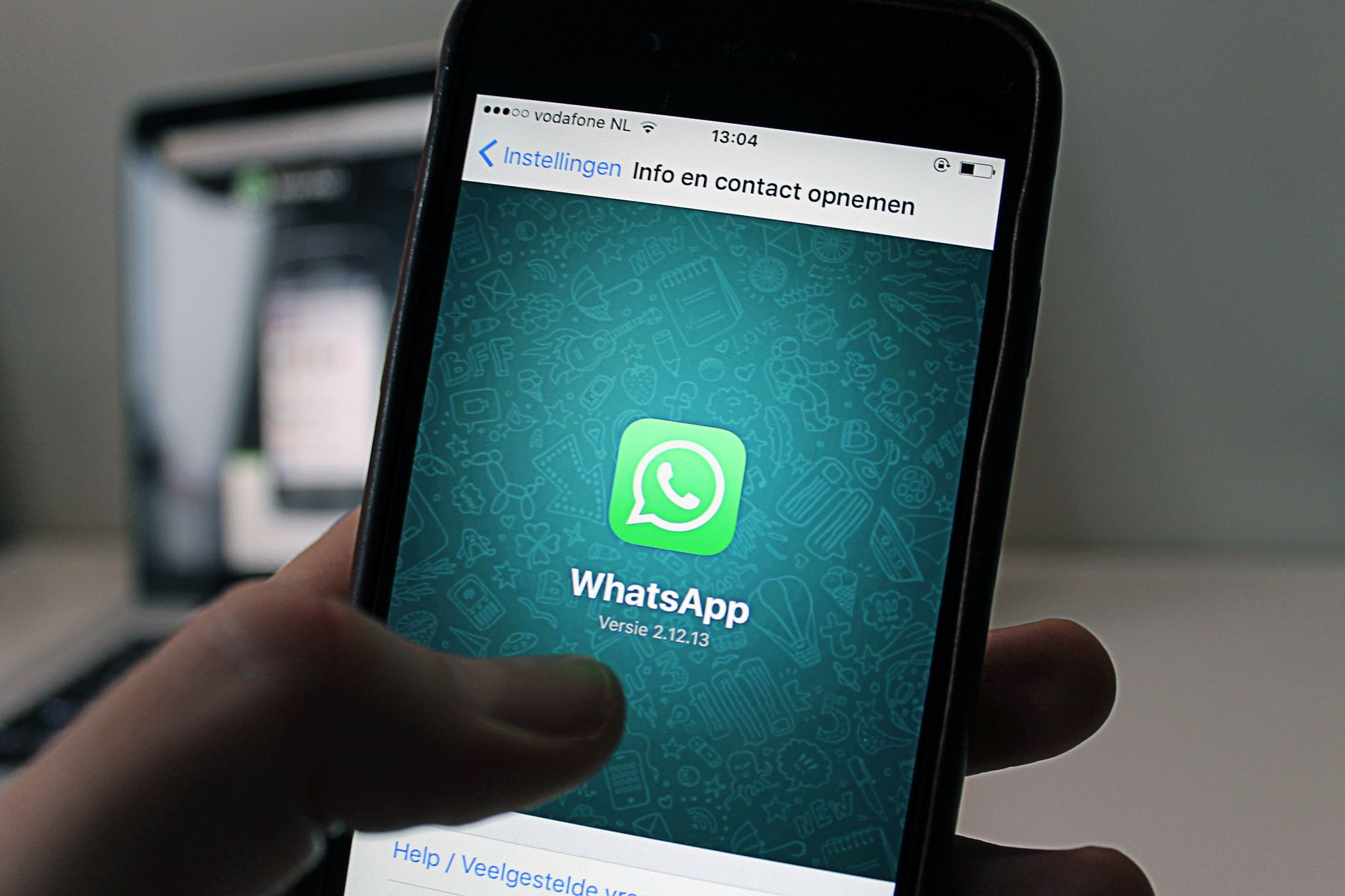
Foto de Anton en Pexels
How to check the results in your business
Record four weeks before and another four after launch, allowing for holidays and changes in activity:
No-shows: appointments missed without notice divided by scheduled appointments; track cancellations and changes separately.
Time: actual team minutes spent on bookings, reminders, incidents and supervision.
Response: time to first response and which requests require human involvement.
Recovered calls: how many missed calls receive follow-up and how many result in a booking.
Experience: ask whether managing the appointment was easy and whether the client could get help when needed.
At Ardeiro.AI, we design appointment automation so you can keep serving clients while your business responds: a website and WhatsApp connected to one diary, 24/365 service and WhatsApp responses to missed calls. Its value lies in the hours you regain, the clients who manage to book and the slots that no longer go to waste.
Sources and scope of the data
The links above lead to original studies, the Spanish business case and industry sources. Results concern the populations and businesses described; revenue and time-saving calculations are examples to apply to your own diary. Research reviewed on 25 September 2026.
Cover image: JESHOOTS.com on Pexels
Want to discuss this?
No public comments. But my inbox is open. If something resonates or grates, write to me.
Email me directly →